
oaklandorthodontics Accessibility Statement

oaklandorthodontics  is committed to facilitating the accessibility and usability of its website, oaklandorthodontics.com, for everyone. oaklandorthodontics aims to comply with all applicable standards, including the World Wide Web Consortium’s Web Content Accessibility Guidelines 2.0 up to Level AA (WCAG 2.0 AA). oaklandorthodontics is proud of the efforts that we have completed and that are in-progress to ensure that our website is accessible to everyone.. If you experience any difficulty in accessing any part of this website, please feel free to call us at (248) 817-2623 and we will work with you to provide the information or service you seek through an alternate communication method that is accessible for you consistent with applicable law (for example, through telephone support).

Wax Facts

In the long run, wearing braces is so worth it. Whether you’re working toward straight teeth, an improved bite, or both, you’ll end up with a beautiful smile! But sometimes, in the short run, they can be really annoying. Braces can irritate your lips, tongue, and cheeks while you are getting used to them or after an adjustment. Or a problem wire can poke the inside of your mouth and you can’t see us immediately for a repair. At times like these, Dr. Archana Dhawan will recommend orthodontic wax to make your life more comfortable.

  • What is Orthodontic Wax?

Orthodontic wax is made from non-toxic products like beeswax, carnauba wax, and paraffin wax. Some products might contain extras like vitamin E, aloe, or flavorings. The soft wax covers the bracket or wire that is bothering you with a smooth surface that won’t irritate sensitive mouth tissue and will give sore areas a chance to heal.

  • What if I Swallow a Piece?

All dental wax is made of non-toxic ingredients. If you accidentally swallow a bit, no need to worry.

  • Is It Hard to Apply?

It’s not hard, but it takes a bit of practice. First, locate the wire or bracket that is causing the problem. You might know where it is right away, or be able to discover it by discovering which sharp bracket or wire is across from the sore spot in your mouth.

Always wash your hands first. Brush and floss, so you will have a clean surface to apply the wax. The drier the surface, the better the wax will stick, so let the area air dry or use something clean such as sterile gauze to dry around the bracket.

The wax is actually quite easy to work with. Break off a small piece of wax (no bigger than the size of a popcorn kernel or a pea), roll it in your fingers to soften it, and press the wax firmly but carefully over the problem bracket or wire until it sticks. Rub until the wax is smooth. Don’t worry, we will be happy to show you just how it’s done.

  • Can I Eat with Wax in Place?

If you find that you can eat without much irritation, it’s better to eat without wax over your braces. Remove the wax before eating and brush carefully to remove any food particles from your braces before applying new wax. If you do snack while using wax, be sure to change it after you eat. Wax, after all, sticks easily to your braces—and food particles stick to wax! Not a good look, and not good for your teeth.

  • Brushing and Flossing

Take off any wax before you brush and floss. Your toothbrush will thank you!

You probably have lots of other questions. Can you sleep with wax on your braces? Will it help you be more comfortable at trumpet practice? That’s why we’re here! If you have any questions at all about orthodontic wax and how to use it, call our Troy office. We want to make sure that the months you spend wearing braces are as comfortable as possible on your way to a lifetime of beautiful smiles. It’s so worth it!

Protecting Your Smile with Mouthguards

If you participate in sports or other physical activities, it’s wise to consider getting a mouthguard. Also known as mouth protectors, mouthguards are a device worn over the teeth to lessen the impact of a blow to the face.

This reduces the chance that you might lose teeth or sustain other serious oral injuries. We recommend that all patients involved in a contact sport such as wrestling, football, or hockey wear a mouthguard because of the high risk of such injuries.

However, anyone involved in a physically demanding sport or activity should wear a mouthguard as well.

Can you imagine what it would be like to lose a few of your front teeth? The way you talk, eat, and smile would all change. Potential injuries when you don’t wear a mouthguard include chipped and broken teeth, fractured jaws, root damage, damage to crowns and bridgework, concussions, and/or injury to the lips, cheeks, or gums.

Types of Mouthguards

There are three different types of mouthguards — typically made of a soft plastic material or laminate. You can decide which works best for you in terms of budget, fit, and comfort.

  • Stock mouthguards are prefabricated to a standard size. They offer adequate protection, but you need to make sure you find one that fits properly and comfortably. Stock mouthguards are readily available at department stores, sporting goods stores, and online.
  • Boil-and-bite mouthguards are placed in boiling water to soften them, then into the mouth so they can conform to the shape of the teeth. Boil-and-bite mouthguards are more expensive, but offer a more customized fit than stock ones. You can find these in department stores, pharmacies, sporting goods stores, and online.
  • Custom-made mouthguards are created just for you by Dr. Archana Dhawan. These offer the best fit and comfort of all the options, but they are also the most expensive. Ask a member of our Troy team for more information.

The American Dental Association says a good mouthguard should be easy to clean, fit properly, be comfortable, and resist tearing or damage. It shouldn’t restrict speech or breathing.

Still not sure if you need a mouthguard or which kind is right for you? Ask Dr. Archana Dhawan or one of our staff members for more information.

Wishing all our moms a happy Mother’s Day!

“Motherhood: All love begins and ends there.” – Robert Browning

We would like to take this moment to thank all the great moms out there for being so great during their child’s visits to Oakland Orthodontics. Whether it’s driving their kids to regularly scheduled appointments or for “being there” while their child is treatment, the moms who come to our office are all stellar individuals, so Dr. Archana Dhawan and our entire staff would like you to know that we appreciate you all!

Happy Mother’s Day and enjoy your special day!

Foods can Wreak Havoc on Your Enamel

It’s possible to develop tooth decay even when you take great care of your teeth. Brushing and flossing may not be enough to keep your teeth healthy, depending on your diet. Cavities, discoloration, and decay are still possible when certain foods feature in your daily intake. Keep an eye out for foods that will damage your enamel and cause the very issues you’ve been trying to avoid.

What causes enamel damage?

Tooth enamel is the hard outer layer of your teeth that is made of various minerals. Tooth decay results when the acids in your food react with the minerals in your enamel. Strongly pigmented foods may also cause unsightly discoloration on the surface of your teeth. Avoid wreaking havoc on your beautiful smile by identifying the foods that can harm your enamel.

Acid

Acidic food is your teeth’s worst nightmare! This is the greatest cause of enamel damage, even if you brush and floss regularly. To avoid damaging your teeth, make sure you can determine whether a food is acidic or not.

The pH levels are a way to determine acidity on a one-to-seven scale. This defines the relative acidity or alkalinity of a food or substance. Foods with high pH levels are not as likely to harm your enamel.

It’s wise to avoid or minimize foods that are high in acids. Highly acidic food can include fruits such as lemons, grapefruit, strawberries, grapes, and apples. Moderately acid foods may surprise you; they include tomatoes, maple syrup, pickles, and honey.

Not surprisingly, eggs and dairy products such as milk and cheese contain the least amount of acid. Red wine and coffee can also discolor your enamel if they’re drunk in excessive amounts.

What can I do to prevent enamel damage?

There are plenty of ways to avoid discoloration and decay of your enamel. The best thing to do is limit the amount of high-acid foods, including sugary juices and soda, in your diet.

Another way is to brush and floss regularly, an hour after each meal. If you can’t make time to brush, an easy solution is to swish your mouth with water or mouthwash to rinse away any leftover acidic particles.

Damaged tooth enamel may be common, but is avoidable when you know which foods to stay away from and the steps to take after you do eat highly acidic foods. Take our advice and you’ll be sure to slow down any future discoloration and decay that happens in your mouth.

For more advice on protecting your enamel, give our Troy a call to learn more!

Earth Day

The idea for Earth Day was the brainchild of Gaylord Nelson, a senator from Wisconsin. He envisioned an Earth Day that would be a kind of environmental teach-in. The first Earth Day celebration took place on April 22, 1970, and a surprising 20 million people participated on that day. Ultimately, it became the largest organized celebration in US history.

Earth Day Over the Years

Over the years, the recognition of the day, and the number of people celebrating it all over the world, turned Earth Day into an international celebration. Because it is celebrated throughout the world, it is not only the largest international environmental observation, but it is also more widely celebrated than any other environmental event in the world. Today, Earth Day is celebrated in 175 countries where over 500 million people participate in celebrations.

The Earth Day Movement

The Earth Day movement is credited with developing the idea that people should “think green”. It encouraged congress to enact laws, including one that resulted in the creation of the Environmental Protection Agency. It also inspired the passage of the Endangered Species Act.

The Five R’s and Their Importance

  • Reduce – Reduce by avoiding unnecessary purchases. Reduce your use of materials that wind up in landfills. Reduce the use of chemicals around your house. Reduce your use of disposable bags, plates, cups, eating utensils, and batteries.
  • Reuse – Instead of using plastic bags for your groceries or purchases, bring your own reusable bags. When you go to buy coffee at Starbucks, take a travel mug so you don’t have to get your coffee in a disposable paper cup. Instead of storing food in disposable refrigerator containers, buy containers that can be washed and reused. Don’t use regular batteries. Whenever possible, opt for rechargeable batteries that you can reuse.
  • Recycle – Most cities offer a recycling program to collect used bottles, cans, and newspapers. Recycling includes collecting recyclable materials that would otherwise be considered waste, sorting and processing recyclables into raw materials such as fibers and manufacturing raw materials into new products.
  • Re-buy – Make an effort to purchase things that are made through recycling. When purchasing furniture, look for items that are made from reclaimed wood. When buying paper for kids school work, computer printer paper, holiday cards, or anything else, make a point of purchasing recycled paper products. Instead of buying clothing at full retail price, shop for second hand clothing. You will save a lot of money by doing so!
  • Rethink – Rethink the way you do things so that you do them in an eco-conscious way at all times. Instead of driving to work alone, consider taking the bus or going in a carpool. Walk or ride your bike when you’re only going a short distance. Plan your shopping trips and errand runs so that you can do everything on one day, and do it in a way where you can save time and gas.

Other ways to “think green” include growing your own food, composting yard waste and food scraps, or by participating in local recycling programs. Join a group like Freecycle so you can share your unneeded and unwanted possessions with people who can use them. Likewise, you’ll be able to get things you need or want for free.

Earth Day teaches people that the planet belongs to everyone, so everyone is equally responsible for protecting it. Although Earth Day is an environmental celebration, our team at Oakland Orthodontics wants to remind you that you don’t have to wait until then to make changes that will allow you and your family to live a greener life.

Happy Earth Day from the team at Oakland Orthodontics.

Braces-Friendly School Lunches

If your pre-teen or teenager is home for the summer, it’s easy to provide braces-friendly lunch options. The school lunchroom, though, presents another challenge altogether. What menu selections are most compatible with braces? And what can you put in that lunch box or brown bag to provide a tempting, healthy lunch during school hours? Let’s look at some options!

From the Cafeteria

Encourage your student to stick with soft foods that don’t require biting into. Some good choices include:

  • Soup, either creamy or with soft vegetables
  • Salads without crunchy vegetables or croutons
  • Soft, shredded chicken or beef
  • Egg or tuna salad
  • Tofu
  • Pasta
  • Meatloaf
  • Macaroni and cheese
  • Soft casseroles
  • Steamed vegetables
  • Mashed potatoes
  • Soft breads or tortillas

Bringing a Lunch?

There are many great options for packing a lunch bag! Just remember to keep foods at the proper temperature, with insulated containers for hot foods and two cold sources, such as two frozen gel packs, for cold foods.

  • Sandwiches with soft filling (no chunky peanut butter!) on soft bread. Thinly sliced, easy to chew cold cuts will work, but cold cuts like salami are too chewy. Cut the crusts off if necessary. Cutting sandwich wedges into smaller portions will also make them easier to eat.
  • Hard boiled eggs
  • Hummus and soft pita wedges
  • String cheese and soft crackers
  • Applesauce
  • Yogurt
  • Soft fruits such as berries or bananas
  • Jell-O or other gelatin dessert cups
  • Pudding cups

When to Say “No, Thank You”

If you have to bite into it, if it’s chewy, or if it’s crunchy, it’s best to choose something else! Here are some common culprits when it comes to broken brackets and wires:

  • Caramel
  • Hard candy
  • Popcorn
  • Whole carrots
  • Whole apples
  • Hard rolls
  • Pizza
  • Corn on the cob

And remember to send your child to school with a brush and floss to clean teeth and braces after lunch. Dental hygiene is very important now, because brackets and wires can both trap food particles and make brushing them away more difficult. This can lead to increased plaque, cavities, and staining around the area of the braces. If it’s impossible to brush, be sure to remind your student to rinse thoroughly with water after eating.

Lunch hour should be a time to relax, get together with friends, and recharge for the rest of the school day. Talk to us about the most (and least) braces-friendly foods and recipes. By learning what foods to avoid and adjusting some old favorites, your school-age child can continue to enjoy healthy, tasty lunches. Most important, visiting Dr. Archana Dhawan at our Troy office for an emergency repair will not be on anyone’s list of afterschool activities!

This April, Let’s Celebrate National Facial Protection Month!

Poor April. While other months celebrate romance, or giving thanks, or costumes and candy, April has—April Fool’s Day and a tax deadline. We might be forgiven for thinking these two dates seem more like warnings than celebrations.

So here’s a new topic for the April calendar: National Facial Protection Month! Take the opportunity this month to review your safety practices while you’re enjoying your favorite activities.

  • Mouthguards

If you have a mouthguard for sports or athletic activities, wear it! In any activity or sport where humans come into contact with solid objects (including other humans) tooth injury is possible. A mouthguard will help protect you from dental injuries caused by falls, physical contact, or other accidents that might happen in your active life. And it’s not just your teeth—mouthguards protect your lips, tongue, and jaw as well.

You can buy mouthguards in stock sizes or shape-to-fit models, or you can have a guard made especially for you at our Troy office. Custom mouthguards fit perfectly and are designed to make breathing and speaking easy and comfortable. If you wear braces, a custom mouthguard can be designed to protect your smile and your appliance. Just talk to Dr. Archana Dhawan for suggestions!

After all the time and work you’ve put into your orthodontic care, don’t let a sports injury set you back. What else should you consider for your facial protection?

  • Helmets

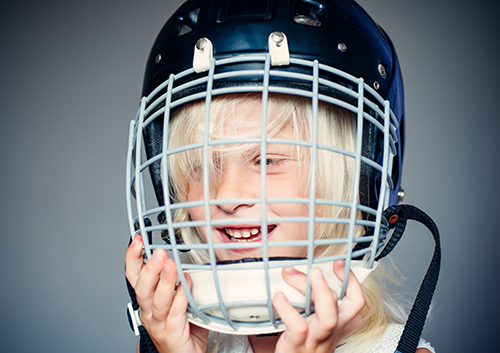
If there’s a helmet available for your sport, use it! Helmets are especially important for protecting athletes from brain injury and concussion, and they help protect the face and jaw as well.

  • Face Guards

If you’ve experienced a puck speeding toward you, or a defensive tackle hurtling your way, or a fast ball coming in at 90 miles an hour, you know the importance of wearing a face guard. These guards can help protect your eyes, face, teeth, and jaws. Many sports now recommend using face guards—it’s worth checking to see if your sport is one of them.

  • Eye Protection

And let’s not forget eye protection. Whether it’s safety glasses or a visor, protecting your eyes and the bones around them is extremely important. You can even get sports goggles or protective sports glasses with prescription lenses to keep you safe and seeing clearly.

So here are a few suggestions for your calendar this month:

  • If you haven’t gotten a mouthguard yet, now’s the time. Tooth and mouth injuries occur in sports beyond hockey and football. If you play basketball, ski, skateboard, ride a bike—in fact, almost any sport where you can fall or make contact with a person or object—a mouthguard is a must.
  • If you need to replace an ill-fitting or damaged helmet and face guard, do it before your next game. And do replace a bike helmet if you’ve been in a crash—most likely it won’t be as protective, even if damage isn’t visible.
  • Talk to your eye doctor about protective eyewear if off-the-rack products don’t work for you.
  • If you are a parent or caregiver, make sure your child athlete has the proper facial protection—and uses it.
  • If you are a coach, make sure your athletes have the right protective gear—and wear it.
  • It’s also a great time to commit to using your protective gear every single time you’re active.

But, wait—these reminders are helpful and important, but weren’t we promised something to celebrate this April? Good catch! The great news is, using facial protection for sports and athletic activities gives you rewards you can celebrate all year: fewer injuries, fewer visits to the emergency room, and a beautiful, healthy, intact smile. Suit up!

Orthodontics and Whole Body Health

In recent years, many links have been established between orthodontic treatments and whole body health. According to the National Institute of Dental and Craniofacial Research, researchers have observed that people with gum disease are more likely to develop heart disease or experience difficulty controlling blood sugar than people without gum disease. While researchers continue to find associations between oral health and the overall health of the body, as of yet it hasn’t been determined whether gum disease is the sole cause of these health conditions. What can be determined, however, is that good oral health isn’t just about maintaining a healthy smile; it has an impact on the health of your entire body.

The associations between gum disease and whole body health

The links between the health of your mouth and the health of your body are too many to ignore. Is it a coincidence that gum disease and other health problems occur together? Researchers don’t think so, despite the lack of definitive proof.

Here are four possible connections between the health of your mouth and the health of your body.

  • Excessive oral inflammation has been linked to a greater incidence of clogged arteries.
  • The American Society of Microbiology has revealed that certain types of oral bacteria can infect the arterial cells and weaken the wall of the heart.
  • Loose teeth are often believed to be a warning sign for osteoporosis, a disease that causes the bones to become less dense.
  • Some studies suggest women with gum disease are more likely than those without gum disease to deliver preterm, low-weight babies.

Orthodontics and gum disease

So what does undergoing orthodontic treatment at Oakland Orthodontics have to do with gum disease? Braces do so much more than give you a nice-looking smile. Quite simply, straight teeth are easier to keep clean than crooked teeth. Your toothbrush is able to remove more plaque-causing bacteria, and your floss is more effective at ridding tiny particles between your teeth.

Despite the lack of hard facts in these findings, the message is clear: If you improve your oral health, you will also have a greater chance of maintaining the health of your entire body. And that’s a chance Dr. Archana Dhawan and our team at Oakland Orthodontics believe is worth taking. For more information about this topic, please give us a call at our convenient Troy office or ask Dr. Archana Dhawan during your next visit!